
Table of Contents
- 1. Why “buttery soft” became such powerful consumer language
- 2. The trend is moving from first touch to total comfort
- 3. There is no single market for buttery soft fabric
- 4. What shoppers may mean when they search for buttery soft leggings
- 4.1. “I do not want to feel restricted”
- 4.2. “I want something comfortable enough to wear all day”
- 4.3. “I want a premium second-skin feel”
- 4.4. “I want softness without giving up confidence”
- 5. The next phase: softness that survives real use
- 6. Inclusive fit is part of the softness story
- 7. How brands should brief a buttery soft activewear fabric
- 7.1. Define the garment before the material
- 7.2. Describe the intended softness
- 7.3. Decide the required level of support
- 7.4. Identify the non-negotiable performance
- 7.5. Approve more than one condition
- 8. Common mistakes when following the trend
- 8.1. Treating nylon or polyester as a softness guarantee
- 8.2. Asking a mill to copy a competitor garment exactly
- 8.3. Maximising brushing or softener
- 8.4. Approving only by hand
- 8.5. Using “buttery soft” as the entire product story
- 9. Where the buttery soft activewear trend is heading
- 10. Frequently asked questions
- 10.1. What is buttery soft fabric?
- 10.2. What material is used for buttery soft leggings?
- 10.3. Is buttery soft fabric good for activewear?
- 10.4. Why do some buttery soft leggings pill?
- 10.5. How should a brand source buttery soft activewear fabric?
- 11. Develop the right kind of softness
- 12. Sources and further reading
“Buttery soft” has moved well beyond a niche description on a fabric card.
It now appears in product names, collection pages and customer reviews across yoga wear, studio leggings, active dresses and everyday athleisure. The phrase is easy to understand, easy to remember and closely tied to the first thing a shopper notices when touching a garment: how it feels against the skin.
For activewear brands, that visibility creates an opportunity—but also a problem. As more products use the same language, the words alone say less. The fabric still has to make sense for the garment, hold its shape and deliver the experience promised after the first fitting.
The buttery soft activewear trend is therefore not simply about making fabric softer. It is about turning an attractive sensory promise into a product that remains convincing in wear.
Why “buttery soft” became such powerful consumer language
Fabric technology is usually difficult to communicate at retail. Terms such as filament fineness, knit density, stretch modulus and surface finishing mean something to a textile developer, but very little to most shoppers.
“Buttery soft” works because it translates several sensations into two familiar words. It suggests a smooth surface, low friction, easy movement and a close-to-skin feel without sounding technical. A customer can imagine the experience before touching the product.
It also fits the way activewear is now worn. Leggings and fitted tops are no longer reserved for one workout. The same garment may move through a Pilates class, a commute, a coffee stop and several hours at home. In that context, softness is not a decorative extra. It shapes whether the wearer wants to keep the garment on.
The phrase has become broad enough to cross market levels. Athleta uses it for Powervita yoga leggings with a gently supportive feel, while SPANX connects buttery softness with smoothing and studio-to-street wear. Primark and M&S also use the language for accessible active leggings and everyday styles. The products are not identical, but the repeated wording shows that softness has become a mainstream buying cue rather than a specialist fabric claim.
Sources: Athleta Salutation Stash Legging, SPANX Activewear, Primark Buttery Soft Active Leggings, M&S Buttery Soft High Waist Leggings
The trend is moving from first touch to total comfort
At a sourcing meeting, an exceptionally soft swatch often gets attention first. That moment is valuable. It can open the conversation and give a collection an immediate point of difference.
But the hand feel of a new swatch is only the beginning of the wearer experience.
A legging can feel soft on the table and still become distracting if the waistband rolls, the knees bag, the surface pills or the fabric turns heavy when damp. A brushed top may feel warm and premium in dry conditions but be uncomfortable for a high-sweat activity. A very light second-skin fabric may feel effortless while raising questions about coverage in pale colours.
This is where the trend is becoming more mature. Brands are increasingly combining softness with a second, more specific promise:
- buttery soft with gentle support;
- buttery soft and lightweight;
- buttery soft with a smooth, matte surface;
- buttery soft for low-impact movement;
- buttery soft with shape retention for all-day wear.
The added words matter. They tell the customer what kind of comfort to expect and give the development team a more useful target.
For readers interested in how yarn, knitting and finishing create these different sensations, see our technical guide: What Makes Activewear Fabric Buttery Soft?
There is no single market for buttery soft fabric
The keyword may be shared, but the product brief should change with the activity.
Product direction | What the wearer is likely to expect | Fabric priorities | Risk if softness is considered alone |
|---|---|---|---|
Yoga and Pilates leggings | Calm, distraction-free movement and a close-to-skin feel | Smooth or lightly brushed hand, balanced stretch, reliable recovery, coverage | Weak recovery, pilling or transparency at extension |
Studio tops and unitards | Flexibility without roughness around the body | Low surface friction, comfortable stretch, stable edges and seam compatibility | Curling, seam distortion or wet cling |
All-day athleisure | Comfort over several hours with an easy, polished appearance | Softness, shape retention, low pilling, dimensional stability and easy care | A strong first touch that fades after washing or sitting |
Training wear | Soft contact without losing practical performance | Recovery, moisture behaviour, drying and abrasion resistance | A warm or heavy wet feel during higher-intensity use |
Tennis, golf and refined active styles | Mobility with a cleaner, more structured look | Smooth surface, controlled stretch, drape, colour stability and durability | A fabric that feels too limp or visually casual for the garment |
This is why asking for “the best fabric for buttery soft leggings” has no universal answer. The best option for a lightly supportive Pilates legging may not be the best option for training tights, an active dress or a travel pant.
The useful starting point is the job of the garment—not the adjective on the trend report.
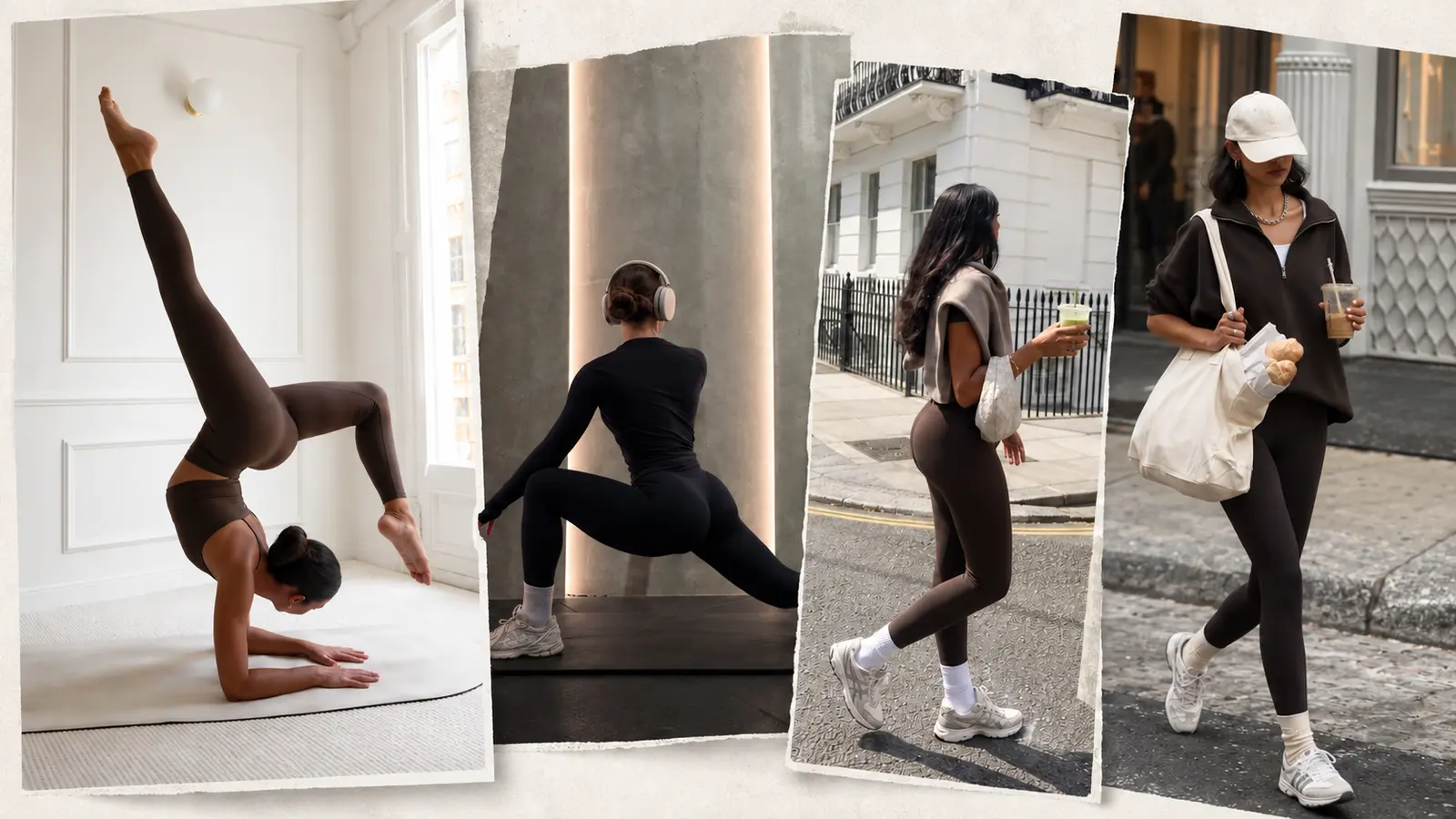
What shoppers may mean when they search for buttery soft leggings
Search language is rarely a technical specification. When a shopper looks for buttery soft leggings, the underlying need may be one or more of the following:
“I do not want to feel restricted”
Softness is often associated with easy movement and lower perceived pressure. For yoga, Pilates and gentle studio work, the wearer may prefer moderate support rather than a strongly compressive sensation.
That does not mean recovery can be ignored. A fabric still needs enough control to prevent bagging at the knees, seat and waistband.
“I want something comfortable enough to wear all day”
Here, comfort extends beyond the workout. The fabric may need to remain pleasant while sitting, walking and layering, without developing a rough surface or losing its shape.
Waistband construction, seams, labels and garment fit become part of the same experience. Even the softest fabric cannot compensate for a hard seam or an unstable waistband.
“I want a premium second-skin feel”
For some customers, buttery soft signals refinement. They expect an even surface, fluid movement, consistent colour and a garment that feels considered rather than simply fuzzy.
In this segment, visual quality matters alongside touch. Excess surface fibre, shine at stress points or inconsistent finishing can weaken the premium impression.
“I want softness without giving up confidence”
Coverage, support and stability affect how secure a wearer feels. This is especially important in leggings, shorts and close-fitting one-piece garments.
A soft fabric should be reviewed on the body and at the expected stretch—not only while relaxed on a hanger.
The next phase: softness that survives real use
As buttery soft activewear becomes more common, durability will become a stronger differentiator.
Consumers may forgive a basic garment for feeling ordinary. They are less likely to accept a premium-feeling product that changes quickly after purchase. Pilling between the thighs, a polished seat, loose surface fibre or fading softness can create a gap between the fitting-room impression and the long-term product experience.
For brands, “durable softness” should not be treated as one test result. It is a development objective that may involve several checks:
- comparison of the original and laundered hand feel;
- surface appearance after relevant rubbing or pilling evaluation;
- stretch recovery and residual growth;
- dimensional stability after care;
- shade and finish consistency across colourways;
- wearer trials in the intended garment and activity.
The exact methods and acceptance levels should follow the product, market and claim. A studio legging, running top and lounge layer do not need the same test plan.
The commercial point is straightforward: the longer the promised sensation remains recognisable, the more credible the product becomes.
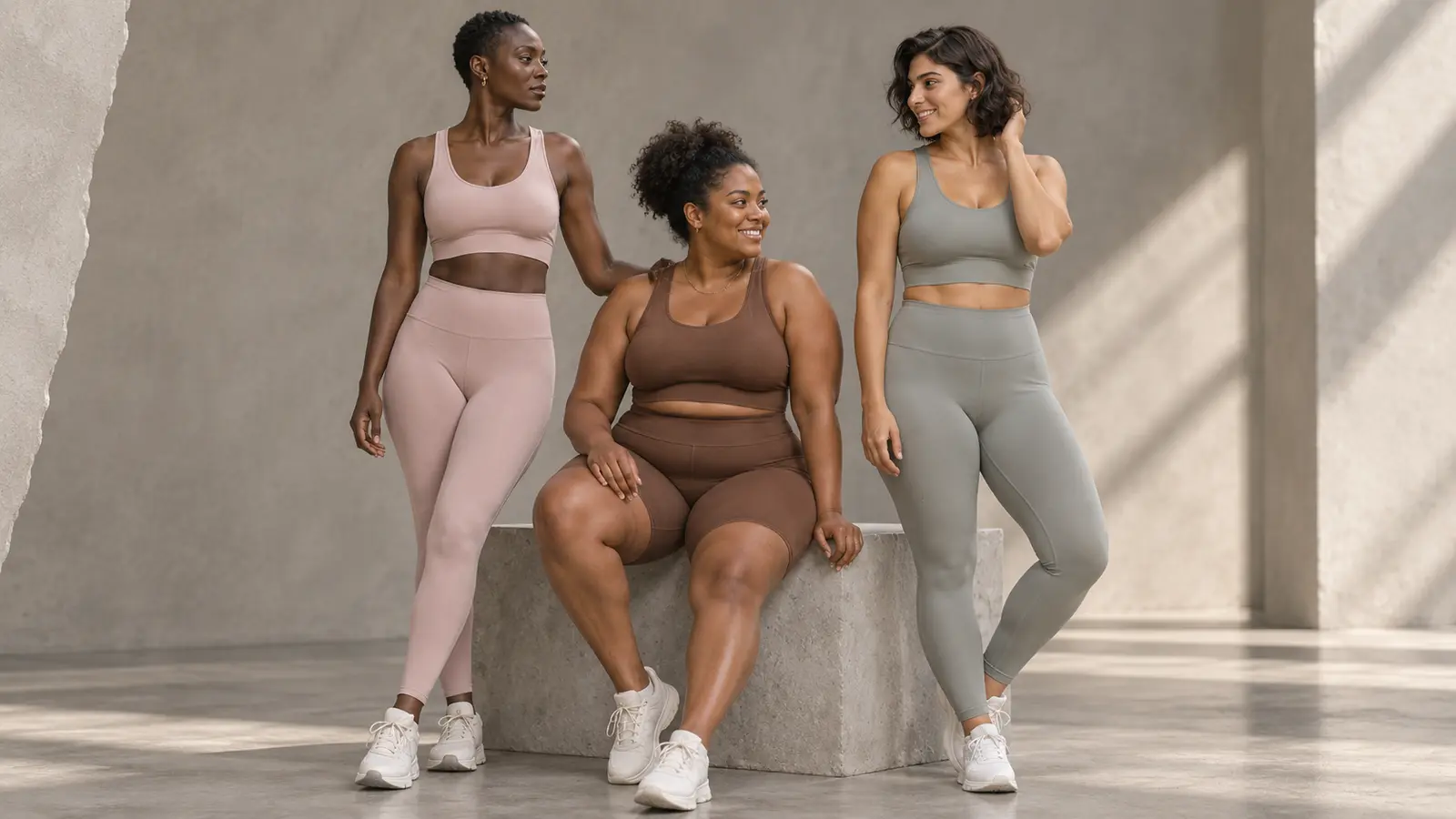
Inclusive fit is part of the softness story
A fabric does not feel the same at every level of extension.
On different bodies, the same garment may place different levels of tension across the waist, hips, thighs and seat. As the fabric extends, its hand, coverage, surface appearance and support can change. A sample approved on one fit model may therefore tell only part of the story.
For brands offering an inclusive size range, buttery soft should be evaluated together with grading and garment engineering. Useful questions include:
- Does the fabric retain coverage across the intended size range?
- Does support remain balanced, or does the garment become restrictive in some areas and loose in others?
- Are the waistband and seams as comfortable as the main fabric?
- Does the surface remain smooth at the garment’s realistic extension?
- Are different sample sizes being judged under comparable wear conditions?
This is not about making every body experience the garment in exactly the same way. It is about ensuring that the central promise—soft, comfortable movement—remains credible across the range.
How brands should brief a buttery soft activewear fabric
The phrase can stay in the brief. It simply needs supporting information.
Define the garment before the material
Start with the actual style: high-rise yoga legging, Pilates flare, fitted tank, active dress, training short or lounge layer. State whether it will be worn next to skin, layered or used across studio and everyday settings.
Describe the intended softness
“Soft” can mean finely brushed and warm, smooth and cool, lightweight and slippery, or compact and creamy. Add two or three tactile words and provide an approved physical reference where possible.
Decide the required level of support
Softness and compression are not opposites, but they need to be balanced deliberately. Specify whether the garment should feel barely there, gently held or more supportive.
Identify the non-negotiable performance
Choose the properties that must remain stable around the soft hand. Depending on the garment, these may include recovery, coverage, pilling resistance, abrasion resistance, moisture behaviour, drying, colourfastness or dimensional stability.
Approve more than one condition
An untouched black swatch is not a full approval system. Review relevant colours, the finished garment and samples after the agreed care or performance evaluations.
A usable brief might sound like this:
Develop a buttery soft fabric for a high-rise Pilates legging intended for studio sessions and all-day wear. The target is a smooth, matte, lightly peachy hand with gentle support rather than strong compression. The finished garment should maintain coverage at the intended extension, recover at the waistband and knees, and retain an acceptably clean surface and comparable hand after the agreed care and pilling evaluations. Final composition, weight, width, colour and acceptance criteria will be confirmed through sampling.
This example shows the structure of a brief; it is not a universal specification.
Common mistakes when following the trend
Treating nylon or polyester as a softness guarantee
Both fibre families can be developed into very different surfaces and performance levels. Composition identifies the material family; it does not predict the complete hand feel.
Asking a mill to copy a competitor garment exactly
A competitor sample can communicate a preferred sensation, but the new product may have a different fit, colour range, target price, compliance requirement or activity. Use the reference to identify priorities rather than requesting an unidentified copy.
Maximising brushing or softener
More finishing does not automatically mean a better fabric. An impressive first touch can come with unwanted changes in surface durability, wet feel, sewing response or consistency.
Approving only by hand
Touch is essential, but it should be supported by garment fitting and the performance checks relevant to the product. A soft swatch is not evidence of recovery, coverage or long-term appearance.
Using “buttery soft” as the entire product story
As the term becomes common, brands need a sharper reason to choose one product over another. Activity, silhouette, support, climate comfort, durability and styling can turn a generic softness claim into a distinct proposition.
Where the buttery soft activewear trend is heading
The trend is unlikely to disappear because it addresses a basic and durable preference: people want clothing that feels good against the body.
What will change is the standard surrounding that feeling.
The strongest products will combine an immediate soft hand with a clear purpose. Some will be barely-there studio fabrics. Others will offer a creamy surface with more support, or a soft technical hand suited to sweat and repeated movement. All-day styles will need to retain their appearance after hours of wear and regular care.
This also gives brands room to build fabric platforms rather than one-off claims. A collection can share a recognisable comfort philosophy while using different weights, surfaces and support levels for different garments.
In other words, buttery soft is no longer enough as a standalone promise. It remains valuable as the opening of the product story—provided the rest of the garment earns it.
Frequently asked questions
What is buttery soft fabric?
Buttery soft fabric is a commercial hand-feel description for material that feels exceptionally smooth, supple and comfortable against the skin. It is not a recognised fibre type or single knit construction.
What material is used for buttery soft leggings?
Buttery soft leggings may use nylon-spandex, polyester-spandex or other stretch blends. The final feel depends on the yarn, knit structure, density, finished weight and finishing route—not the fibre name alone.
Is buttery soft fabric good for activewear?
It can be, especially for yoga, Pilates, studio wear and all-day athleisure. Suitability depends on whether the fabric also provides the required recovery, coverage, moisture behaviour, durability and support for the garment.
Why do some buttery soft leggings pill?
Fine or raised surfaces can be vulnerable to repeated friction, although pilling depends on the complete material and finishing system. Garment fit, activity, laundering and contact between body areas or equipment can all influence surface wear.
How should a brand source buttery soft activewear fabric?
Begin with the garment, wearer and use case. Provide a physical hand-feel reference, describe the desired surface and support, and agree on the performance checks and care conditions before approving bulk fabric.
Develop the right kind of softness
At Cofinay, we begin buttery soft activewear development with the intended garment and wearer experience. The target may be lightly brushed, smooth and cool, compact and supportive, or designed for comfortable all-day wear. The material and processing route can then be developed around that direction.
Final composition, weight, width, colour, finish and testing requirements depend on the individual project and approved sample.
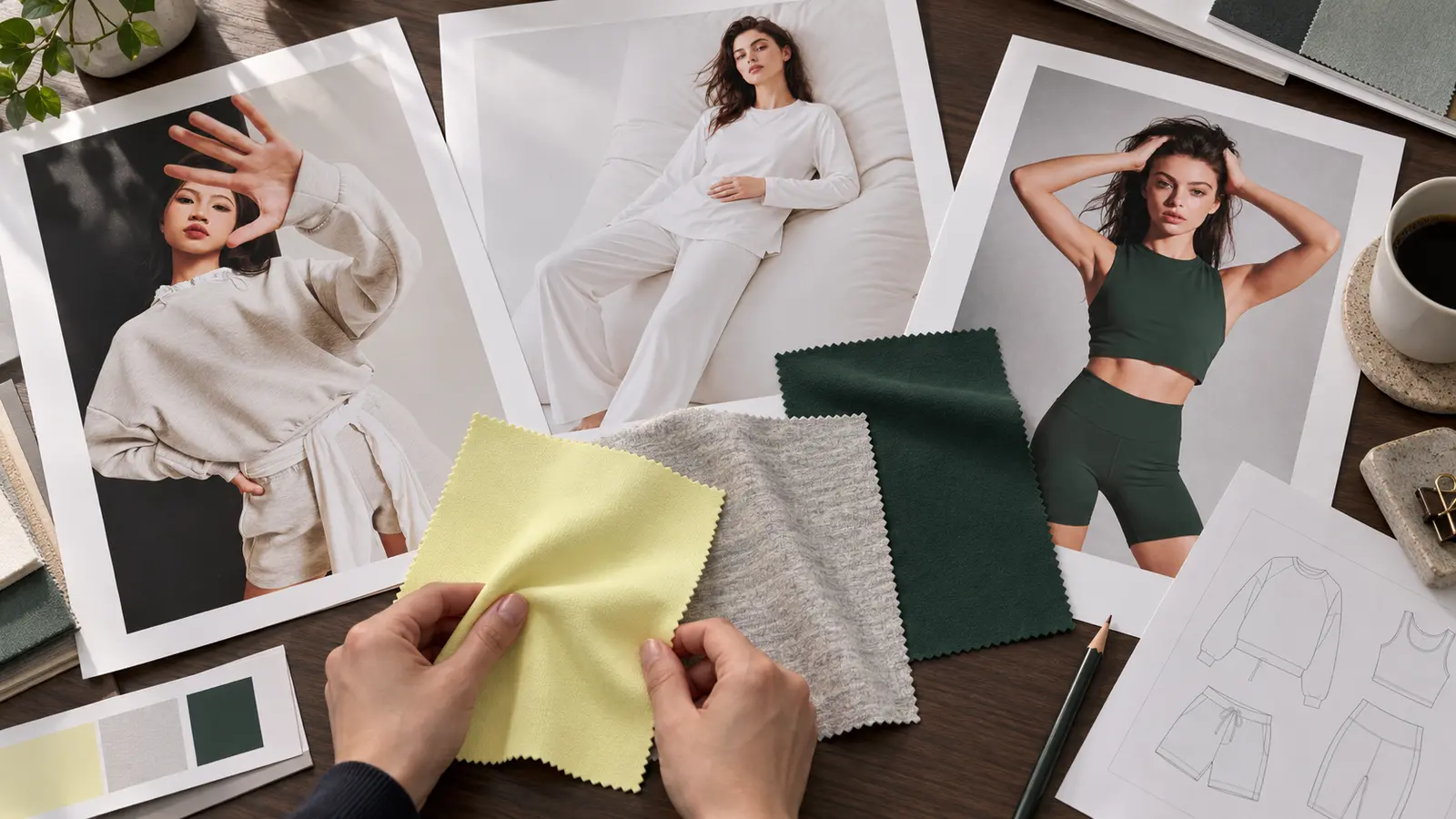
Contact the Cofinay team to discuss your next yoga, Pilates or activewear fabric development, or explore our activewear fabric collection.
Sources and further reading
About Cofinay
With over 16 years of expertise, Cofinay is a premier manufacturer of high-end activewear fabrics, certified by global ecological standards. We specialize in engineering premium performance knits for yoga, tennis, equestrian, and golf. Backed by our self-operated vertical weaving and dyeing infrastructure, we provide complete end-to-end services to empower global activewear brands to scale.