
Table of Contents
- 1. Start with the garment, then choose the fabric
- 2. F21007: the published specifications
- 3. What the swatch should help you judge
- 3.1. Texture and drape
- 3.2. Stretch and shape retention
- 3.3. Comfort during the intended activity
- 4. Approve a sewn and washed sample
- 5. Make the sampling discussion specific
- 6. Request F21007 against a clear brief
A ribbed lounge set needs to feel comfortable when someone sits, walks and spends several hours in it. A fitted studio top also needs to keep its neckline and hem in place. Both may start with a soft fabric, but they do not necessarily need the same construction or fit.
Modal spandex rib fabric is worth sampling when the brief calls for softness, drape and visible texture. The useful question is which garments it suits—and what needs checking before an appealing swatch becomes a bulk order.
Start with the garment, then choose the fabric
For a loungewear collection, begin with the silhouette. A loose top needs enough drape to fall cleanly. Relaxed trousers need to hang well without becoming uncomfortable at the waist. A close-fitting layer needs a different balance of stretch and shape retention.
For light-movement clothing, define the activity more precisely than “activewear.” Gentle stretching, walking and an everyday studio layer create different demands from running or a high-support sports bra. Softness alone cannot settle those choices.
Include the intended fit, lining, colour and care instructions in the sampling brief. A photograph of the garment shape is often more useful than a long list of general performance adjectives.
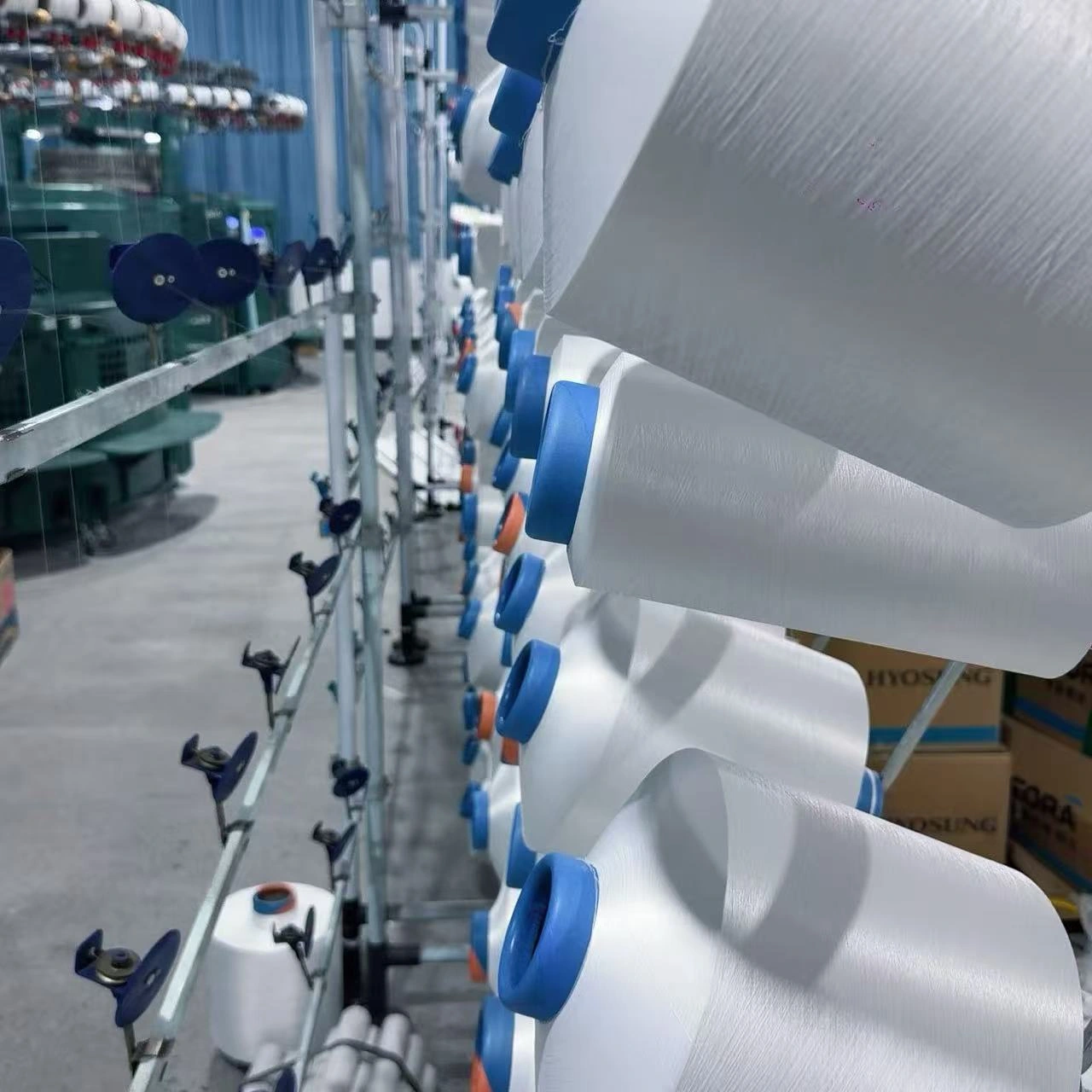
The fibre blend is a starting point. Buyers should also confirm the yarn specification and knitted construction with the supplier, then use an approved fabric sample as the reference for development and repeat orders.
F21007: the published specifications
Cofinay F21007 Mousse Rib offers a concrete starting point for this type of development.
Specification | Published product information |
|---|---|
Model | F21007 |
Product name | Mousse Rib |
Composition | 90% Modal / 10% Spandex |
Weight | 250 g/m² |
Width | 178 cm |
Approximate length per kilogram | 2.3 m/kg |
Construction type | Knitted fabric |
Process | Dyeing |
Listed MOQ | 150 kg |
The product page describes a soft, fluid fabric for uses including loungewear, pajamas, everyday tees and layering pieces. It also lists yoga and Pilates among its application categories. Treat these as sampling directions; the final garment still needs its own approval.
Confirm the current specification tolerances, usable width and whether the MOQ applies per colour before ordering. The listed metres per kilogram is a planning reference, not a guarantee of garment yield: marker layout, size ratio and cutting losses also matter.
What the swatch should help you judge
Texture and drape
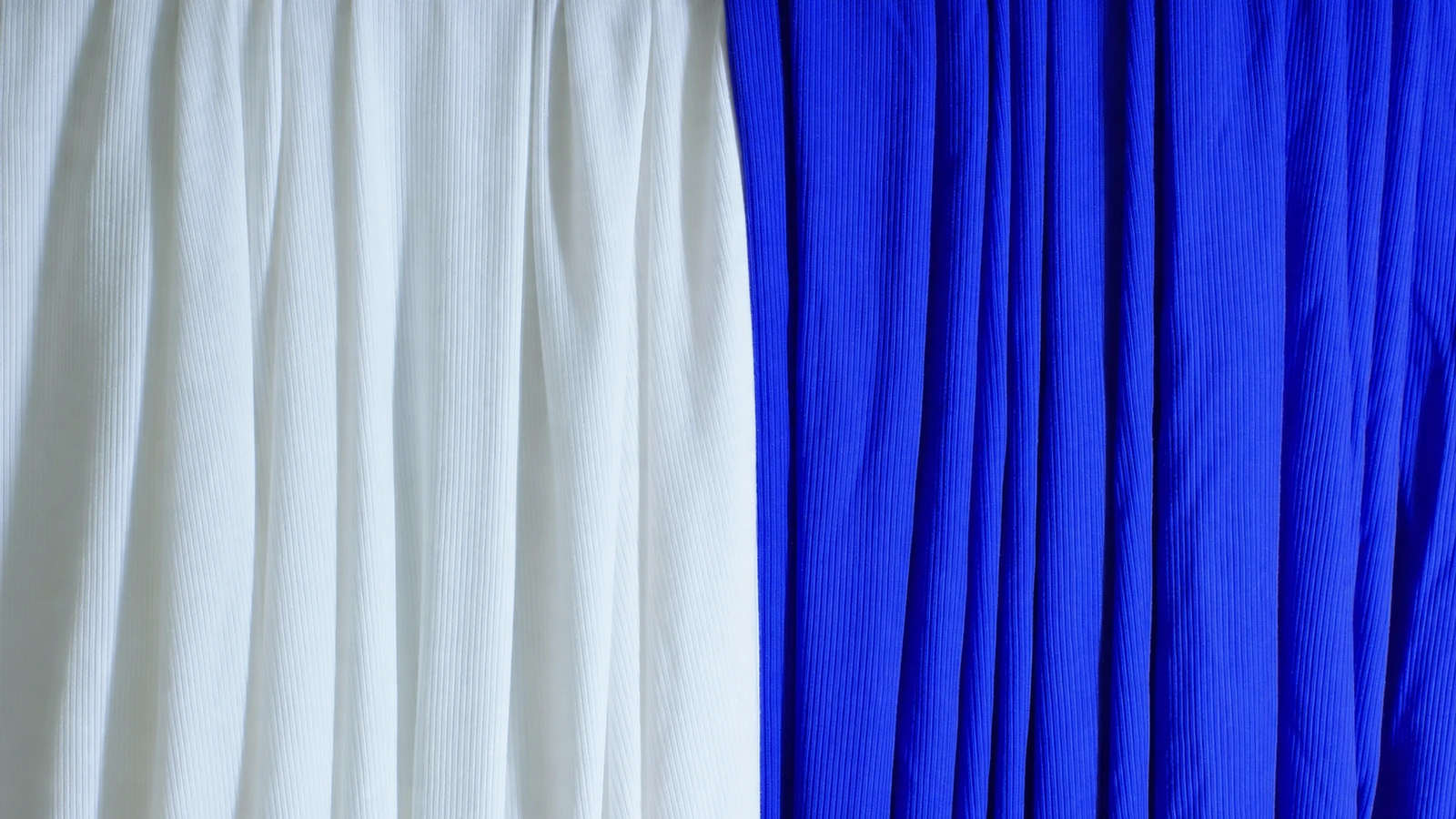
View a larger piece hanging freely as well as lying flat. Look at how the ribs read from a normal viewing distance, how folds fall and whether that appearance suits the intended silhouette.
Check the selected colour rather than approving the collection from one convenient swatch. Surface detail and coverage should be assessed in the actual shade and fit you plan to sell.
Stretch and shape retention
The 10% spandex content identifies the blend; it does not provide an extension or recovery result. Ask for evidence relevant to the garment, and check a sewn sample after repeated movement and rest.
Pay particular attention to elbows, knees, necklines and waist areas. Record where the garment needs to stretch and where it needs to remain stable. Avoid using one stretch requirement for every panel.
Comfort during the intended activity
Wear the sample for the activity and duration described in the brief. Include sitting and ordinary movement for lounge pieces, rather than judging only how they look while standing.
If drying speed or sweat handling is essential, request relevant testing. Neither the modal percentage nor a soft hand feel establishes a quick-dry result.
Approve a sewn and washed sample
Before bulk approval, use a sample made with the proposed pattern, seams, trims and care route. A fabric can feel right in the hand while the neckline, waistband or seam finish still needs work.
Keep the approval checks practical:
- Dimensions: record garment measurements before and after the agreed washing and drying procedure.
- Fit and recovery: inspect areas that remain under tension or bend repeatedly.
- Surface appearance: review ribs, fuzzing, pilling and colour after wear and laundering.
- Coverage: check the chosen colour at the intended fit and during movement.
- Seams: examine waviness, stitch damage, seam stretch and comfort against the skin.
Agree on the method and acceptance criteria with the supplier. Keep an approved fabric reference and garment sample so later decisions have a clear comparison point.
Make the sampling discussion specific
Bring the garment reference, target colour and intended care instructions into the conversation together. Explain which qualities are essential and where the design can change. A relaxed trouser may allow a different fabric decision from a fitted short, even within the same collection.
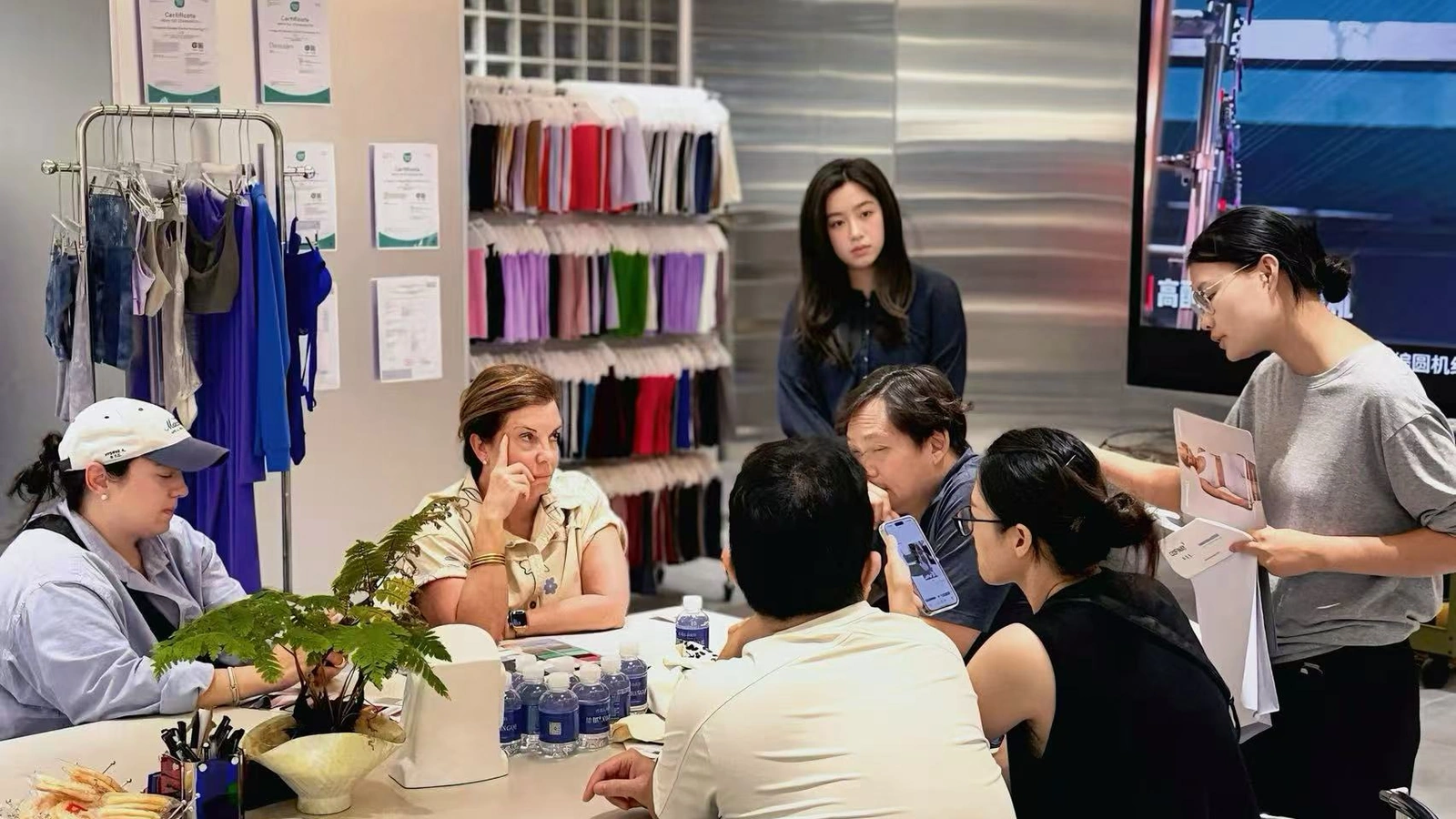
A showroom meeting is useful for narrowing the shortlist and comparing physical samples. Written specifications and sample approvals should carry those decisions forward after the meeting.
Request F21007 against a clear brief
For a first enquiry, send the garment type, fit reference, target colour, estimated quantity and sampling deadline. Ask for a current F21007 swatch and enough sample yardage to evaluate the proposed design.
If your brief includes UV protection, a named fibre certification or a durability threshold, request the evidence for that requirement separately. General product descriptions should not become unsupported claims on a garment label.
Explore F21007 and contact Cofinay through the product page to discuss sampling for your collection.
Written by Amber, Cofinay Technical Team.
About Cofinay
With over 16 years of expertise, Cofinay is a premier manufacturer of high-end activewear fabrics, certified by global ecological standards. We specialize in engineering premium performance knits for yoga, tennis, equestrian, and golf. Backed by our self-operated vertical weaving and dyeing infrastructure, we provide complete end-to-end services to empower global activewear brands to scale.